
Recognizing the Signs of Domestic Violence
Recognizing domestic violence is the first step in addressing it. Victims might show physical symptoms such as bruises or broken bones, but emotional and psychological signs are often less visible. Indicators like anxiety, depression, and withdrawal from social activities can signal abuse. Friends, family, and community members must be observant and compassionate. When they suspect abuse, approaching the victim with sensitivity and care is essential, helping them feel safe rather than scrutinized. By understanding and recognizing these signs, society can initiate timely interventions, offering survivors the support they desperately need.
Domestic violence is not just an individual problem but a societal issue that demands comprehensive solutions. It affects countless individuals across the globe, cutting across cultural, economic, and social lines. For survivors, healing and attaining justice require a supportive community. Understanding and action are crucial in creating an environment conducive to justice and recovery. A domestic abuse lawyer Hernando County FL, can provide essential legal support for those in specific locales. This article focuses on various ways society can extend a helping hand to those affected by domestic violence, emphasizing the importance of collective action and understanding.
Barriers to Reporting Domestic Violence
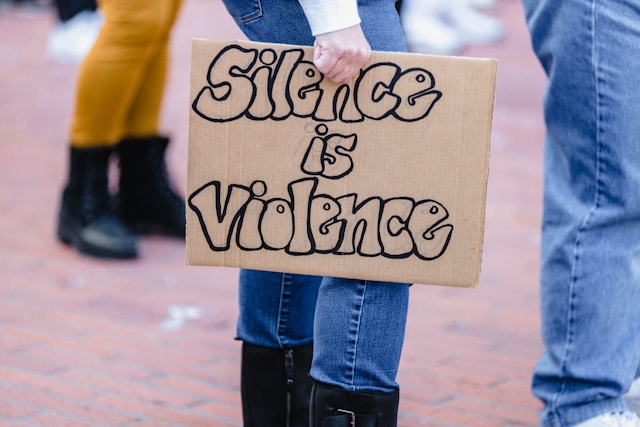
Despite acknowledging the abuse, many victims remain silent, primarily due to fear. Fear of reprisals from their abuser, fear of losing custody of children, or even fear of not being believed by authorities. Societal stigma and cultural norms can further exacerbate this silence, especially when communities view domestic affairs as private matters. Understanding these barriers helps us support victims better, creating environments where they’re encouraged and feel safe to report their abuse. Addressing systemic issues, such as lack of anonymity when reporting and distrust in the justice system, can further incentivize victims to speak out.
The Role of Education in Prevention
By incorporating domestic violence awareness into school curriculums, students acquire the significance of respect, empathy, and the foundations of healthy relationships early in life. A recent study underscores the impact of education on reducing domestic violence rates. It highlights that early intervention and continuous education can significantly alter societal norms, making abuse less socially acceptable. Lesson plans focusing on communication skills and conflict resolution can empower young people, teaching them healthier interaction methods.
Community Initiatives and Support Networks
Communities must establish robust infrastructures dedicated to victim aid to support survivors genuinely. Peer support groups and shelters provide necessary emotional and physical safety nets for victims escaping abusive environments. Hotlines offer crucial lifelines to those in immediate danger, providing guidance and resources when needed most. Community initiatives such as educational workshops, awareness campaigns, and fundraising events create a supportive fabric that can catch survivors in crisis. These networks also work to dismantle societal stigma, encouraging victims to seek help and reminding them they’re not alone.
Legal and Policy Changes
For a tangible change in how domestic violence is addressed, legal reforms are essential. Policies must be geared towards protecting victims and delivering justice efficiently. Recent legal changes, spurred by persistent advocacy, include stricter enforcement of restraining orders and more comprehensive support for victims within the judicial process. Through relentless efforts, advocacy groups have been instrumental in pushing these reforms to protect victims better and hold perpetrators accountable. Continuous evaluation and adaptation of these policies are crucial to meet the evolving needs of domestic violence survivors.
The Importance of Accessible Resources
The availability of resources is essential for empowering survivors. Technological advancements have introduced several online tools and mobile applications that assist victims in documenting abuse, accessing emergency contacts, and finding local help. These tools often come with discreet features to protect user privacy, ensuring that resources remain within reach without compromising safety. Furthermore, the availability of mental health resources is paramount, helping victims cope with trauma and rebuild their lives psychologically. Providing easy access to such resources empowers survivors to embark on their journey of healing and independence.
Building an Empathetic Society
An empathetic society is a supportive society. Cultivating an environment where empathy and understanding prevail can drastically shift the paradigm of how domestic violence is viewed and addressed. Allies—friends, family, and community members—play an essential role in this shift. By offering non-judgmental support, listening actively, and amplifying the voices of survivors, they contribute to a cultural change where victims feel safe to come forward. Highlighting narratives of resilience through community programs or media can inspire change, creating a society where domestic violence is neither tolerated nor stigmatized but actively combated through empathy and action.